Guide · Emerging tech
LaunchpadOS and AgentOS in small-business words
What the stack is for, in the language of a shop. Tools, an orchestrator, and screens — without a pricing table.
2 min read
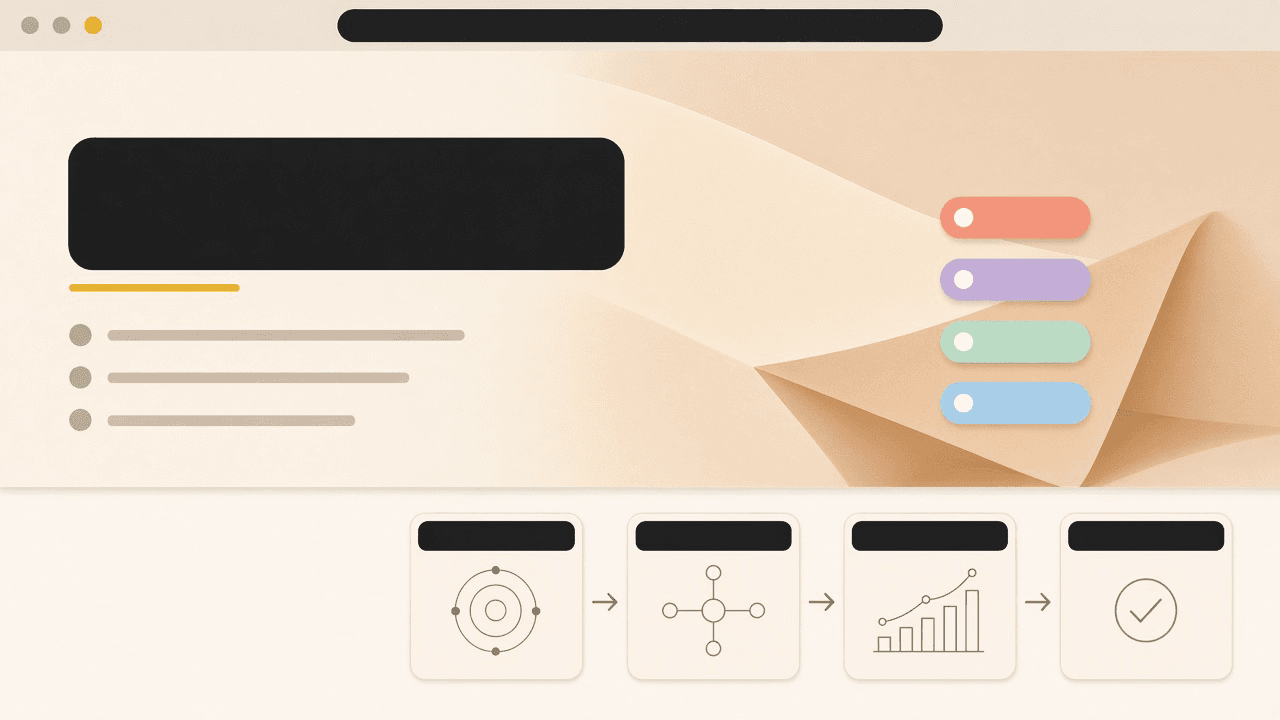
LaunchpadOS is not a metaphor you need to memorize. It is the product home for running an AI stack in a small business: the tools, the record of the work, and the screens people already understand. AgentOS is the same family of ideas — agents that finish work, with memory, instead of a pile of one-off bots.
This page explains the job. The product, the trial shape, and the plans stay on arcasya.ai.
In short. Tools connect the AI you already use to the systems you already run. An orchestrator keeps the steps on the record. Screens are where the shop looks. You do not buy that story from a magazine.
Tools
A shop already has systems: email, a board of jobs, accounting, files, the phone. Tools and agents are how those systems get included instead of copied into a chat by hand. The public product talks about toolkits, agents, and MCP, and about connecting Grok, Claude, and ChatGPT. That last part matters. The stack is not a demand that you arrive empty-handed.
If your stack map says the human still owns the customer and the agent may draft, you already understand the boundary the tools have to respect.
An orchestrator
Work that matters has steps: look up the job, draft the note, wait for a person, write the result back. An orchestrator is the habit of making those steps a plan with a record, rather than a thread nobody can replay. The product line is goal, then plan, then agents, then result, with every step on the record.
For an operator, the value of the record is practical. When something went out wrong, you can see the step. When someone is out, the next person is not reconstructing a prompt from memory.
Screens the shop will actually open
Agentic surfaces, in product language, are the CRM, the dashboard, the status a tech or a dispatcher looks at. If the AI lives only in a tab the owner likes, it is not in the business yet. A screen people already have a reason to open is how a kept pilot becomes a habit that survives a vacation.
Whitelabel, when you need it, means those screens can wear your name. That, too, is quoted and shown on arcasya.ai, not designed on this page.
What this site will not do
It will not paste plan names into a checkout, invent credits, or tell you which tier you need. See plans for that. It will not tell you to throw away ChatGPT or Claude. Read migration without tribalism if someone on your team is worried that is the hidden demand. It is not.
When you are ready to look
Look when a workflow has already survived a pilot: you can name it, a person owns it, and the limit is that a chat session cannot be the system. Then try LaunchpadOS or book a Free AI evaluation if you want a human to map the week first.
If the limit is that nobody has hours to run the thing even after the screen exists, the conversation is Managed AI, not a larger login. The SpaceXAI pillar is the wider map if you arrived here from a headline instead of from a workflow.
Keep going
- When to bring Managed AI
Capacity, complexity, and multi-step work are reasons to bring a team. Curiosity is not. The Fractional CTO door leads toward Managed AI and LaunchpadOS.
- What SpaceXAI and Grok Bot mean for operators
A plain-language map of stack excellence, a desktop teammate, and where LaunchpadOS fits. Not a partnership claim and not a product page.
- Migration without tribalism
Keep the AI you already pay for. Use Grok Bot as the operating layer for one workflow, not as a purity test.